In the specialized field of wound care and soft tissue management, the focus is often on the external: dressings, topical agents, and infection control.
However, at Advanced Tissue, we understand that true regeneration is an internal process driven by the circulatory system.
At Norma Shiatsu Croydon, I approach tissue health through the lens of mechanotherapy—using the traditional techniques of Shiatsu to trigger the biological catalysts necessary for skin and soft tissue repair.
For healthcare providers specializing in tissue health, understanding the “mechanical reset” that Shiatsu provides offers a powerful, non-invasive edge in patient recovery.
It is a method of optimizing the body’s internal infrastructure to ensure that the building blocks of healing reach the areas that need them most.
Points of Release
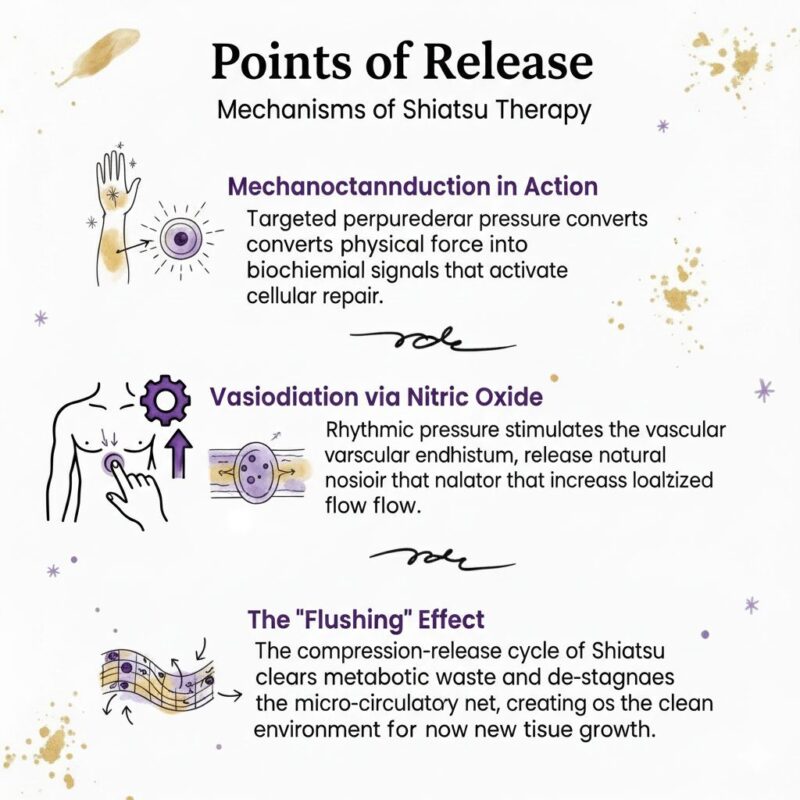
- Mechanotransduction in Action: Targeted perpendicular pressure converts physical force into biochemical signals that activate cellular repair.
- Vasodilation via Nitric Oxide: Rhythmic pressure stimulates the vascular endothelium to release nitric oxide, a natural vasodilator that increases localized blood flow.
- The “Flushing” Effect: The compression-release cycle of Shiatsu clears metabolic waste and de-stagnates the micro-circulatory net, creating a clean environment for new tissue growth.
The Science of Micro-vascular Perfusion
To heal, a wound requires a constant supply of oxygen and nutrients. When tissue is compromised, it often enters a state of ischemia or “stagnation.”
Shiatsu addresses this by working with the micro-circulatory net—the tiny capillaries where the vital exchange of gases occurs.
By applying steady, vertical pressure, we create a temporary displacement of fluid. Upon release, a “rebound” effect occurs, flooding the capillary bed with fresh, oxygenated blood.
This isn’t just relaxation; it is a mechanical strategy to fuel fibroblast activation, the cells responsible for producing the collagen needed for structural tissue integrity.
Supporting the Soft Tissue Envelope
Healing is not limited to the wound bed itself; it depends on the health of the surrounding “soft tissue envelope.”
As my client PB experienced when seeking help for a stiff, stagnant shoulder, Shiatsu provides a “simultaneously relaxing and energizing” solution.
In a clinical context, applying these principles to the periwound area helps prevent lipodermatosclerosis (the hardening of skin tissue).
By maintaining tissue elasticity and preventing “bracing” responses, Shiatsu ensures the surrounding area remains supportive of the healing site rather than a barrier to it.
The Parasympathetic Advantage
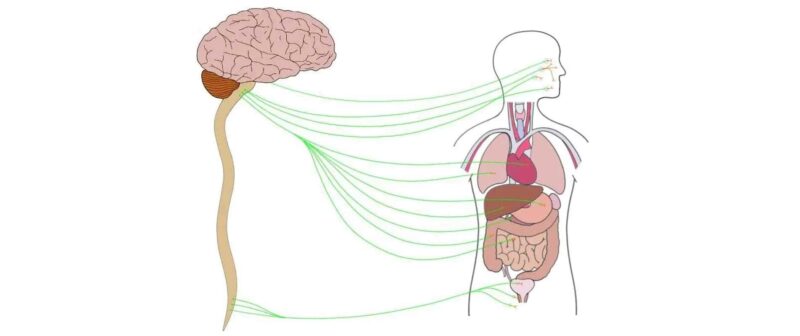
A body in a state of chronic pain or stress is often locked in a “fight-or-flight” sympathetic response, which causes peripheral vasoconstriction—essentially pulling blood away from the skin to the core organs.
Shiatsu signals the brain to switch to the parasympathetic nervous system (“rest and repair”).
As KPS noted during their “healing journey” at my practice, this shift allows for a level of “gentle strength and compassionate care” that physiological healing requires.
When the nervous system settles, peripheral blood vessels dilate, and the body’s resources are finally redirected toward tissue regeneration and immune function.
Conclusion: Integrating the Biological Edge
Integrating Shiatsu into a tissue-focused practice moves the provider from “managing a wound” to “optimizing a biological system.”
It is a commitment to a higher standard of care that recognizes the body’s innate wisdom and the mechanical triggers required to unlock it.
Whether you are treating trauma-informed pain or chronic non-healing wounds, the pressure techniques of Shiatsu provide the “mechanical catalyst” that ensures the circulatory system delivers on its promise of repair.
South London’s premier sanctuary for professional structural release is here. Because your body deserves the precision only a qualified Croydon Shiatsu Therapist can provide, visit our website to secure your session today.
About the Author
This article was brought to you by Norma Powell, a dedicated Shiatsu practitioner at Norma Shiatsu Croydon from London, UK.
With a deep focus on the intersection of structural health and circulatory vitality, Norma provides treatments that bridge the gap between clinical tissue management and holistic recovery.
Frequently Asked Questions
How does Shiatsu differ from standard massage for circulation?
While many massages use friction (rubbing), Shiatsu uses perpendicular pressure.
This vertical force reaches deeper into the fascia and vascular beds, stimulating mechanotransduction without shearing sensitive skin.
Can Shiatsu be used on patients with fragile skin?
Yes. Because Shiatsu can be performed through clothing and focuses on static pressure rather than sliding, it is often safer for patients with compromised skin integrity or those at risk of skin tears.
Does this help with lymphatic drainage as well?
Absolutely. The rhythmic compression used in Shiatsu helps move interstitial fluid into the lymphatic channels, reducing periwound edema (swelling) which can otherwise impede the healing process.