

Long-term wound care can turn an ordinary week into a blur of dressing changes, supply orders, medications, appointments, and worried questions. Did the dressing get changed this morning? Was that drainage different yesterday?
The 2025 compendium Human Wound and Its Burden, published in Advances in Wound Care, reports that chronic wounds affect one in six U.S. Medicare beneficiaries, or about 10.5 million people.
This guide explains how caregivers can build a reliable wound care schedule, track meaningful changes, prevent shortages, communicate clearly, and recognize when organization should give way to urgent medical help.
Build One Master Wound Care Calendar
A long-term wound care calendar should hold every time-sensitive task in one place. This may include dressing changes, medication times, home nurse visits, clinic appointments, supply reorder dates, and any clinician-approved repositioning or pressure-relief routine.
Clarity matters more than decoration.
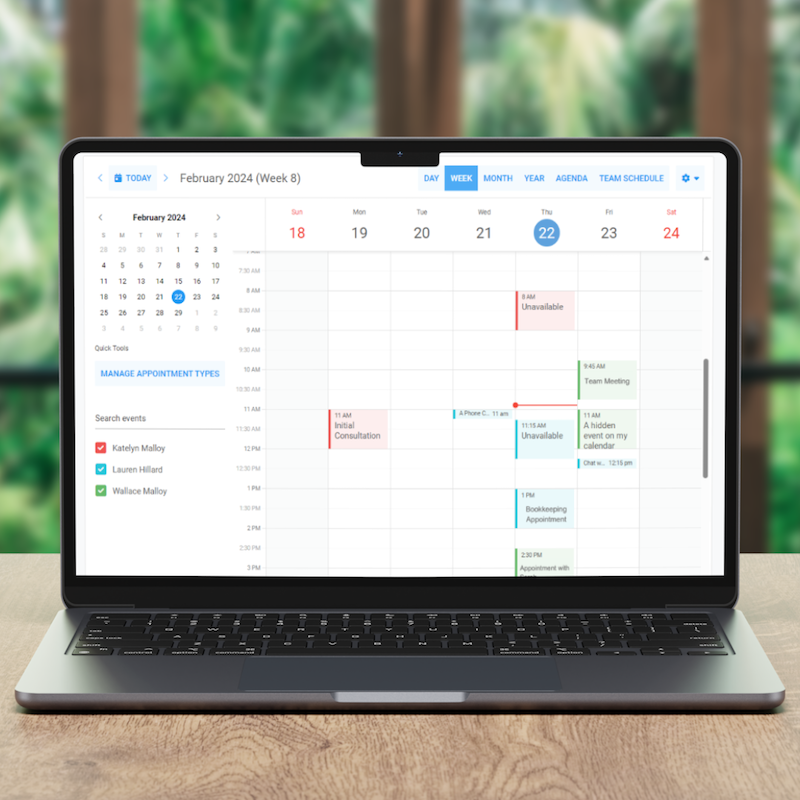
A custom calendar maker can help a family create a personalized monthly layout around the patient’s real routine. Add recurring tasks first, followed by appointment preparation reminders and a supply check several days before stock runs low.
Keep the calendar visible and shared. Write the responsible person’s name beside each task, then mark completion immediately.
Never change the prescribed dressing frequency because the wound appears better or worse. Document what you notice and contact the clinical team for instructions.
Turn Instructions Into a Written Care Plan
Here’s the thing: saying “I understand” is not the same as being able to repeat every step safely at home.
The Agency for Healthcare Research and Quality recommends the teach-back method. With this approach, caregivers explain or demonstrate the process in their own words so a healthcare professional can identify and correct misunderstandings. AHRQ specifically uses home wound care as an example of when teach-back can be helpful.
Ask the nurse or wound specialist to confirm:
- The exact products and order of application
- How often each task should happen
- Whether pain medicine should be timed before care
- Which changes require a call, same-day visit, or emergency help
Store the instructions in one binder or shared folder. Date every update and remove outdated versions. Never substitute a similar-looking dressing, cleanser, or cream without approval.

Create a Clean Dressing Station and Supply System
Choose one well-lit area with a clean work surface, then store unopened supplies in labeled containers nearby. MedlinePlus advises cleaning your hands, gathering all necessary materials, and preparing a clean surface before changing an open surgical wound dressing.
Always follow the patient’s individual wound care instructions when they differ from general advice.
Separate supplies into three groups:
- Frequently used dressing materials
- Backup stock
- Products requiring special storage
Keep clean materials away from used dressings and prepare the recommended disposal supplies before beginning.
Did you know?
A simple reorder point can prevent last-minute shortages. Count how many complete dressing changes remain, estimate the delivery time, and reorder while several days of supplies are still available.
Check expiration dates monthly, leave sterile products sealed until needed, and never reuse a single-use dressing. A tidy station saves time, but proper infection-control practices always come first.

Use a One-Page Wound Care Tracker
A tracker should help the clinical team recognize patterns. It should not encourage caregivers to diagnose or independently treat the wound.
Record only the details the healthcare professional has asked you to monitor, using the same language each time. AHRQ wound assessment resources organize information around factors such as the wound site, size, drainage, surrounding skin, pain, treatment, and whether the wound is improving, unchanged, or worsening.
|
What to track |
Simple entry |
Why it helps |
| Care completed | Date, time, caregiver | Confirms the routine |
| Drainage | Amount or noticeable change | Reveals patterns |
| Pain | Rating and timing | Supports clinical discussion |
| Surrounding skin | New redness, warmth, or swelling | Highlights changes |
| Questions | One clear sentence | Improves appointments |
Only measure or photograph the wound when the care team has requested it and demonstrated the correct method. Photos can support comparison, but they cannot confirm whether a wound is infected or healing properly.
Create a Clear Red-Flag Escalation Plan
Organization is useful only when it leads to timely action.
Place the clinic’s daytime number, after-hours number, pharmacy, home health agency, and nearest emergency service on the first page of the wound care binder. Beside each contact, write when the clinical team wants that service used.
MedlinePlus recommends contacting a healthcare provider about changes such as increasing redness, pain, swelling, bleeding, wound size or depth, worsening drainage, unpleasant odor, or fever.
The CDC also lists redness, pain, cloudy drainage, and fever as possible signs of a surgical site infection.
Important
Confusion, shortness of breath, extreme pain, clammy skin, fever, or a rapidly worsening infection may signal a medical emergency. The CDC advises seeking immediate medical care when sepsis could be developing.
When uncertain, follow the clinician’s escalation instructions rather than waiting for the next scheduled dressing change.

Coordinate Caregivers, Appointments, and Handoffs
Long-term wound care becomes much harder when one exhausted person holds every detail in their head. Divide the work, but keep one shared record.
One caregiver might manage appointments, another may monitor supplies, and only people who have received appropriate training should perform dressing changes or other clinical tasks.
A 2023 systematic review published in the International Wound Journal examined home-based chronic wound care training for patients and family caregivers. The authors found that structured education and skills training may improve wound care behavior, patient quality of life, and family support. However, they also noted that the available studies were relatively small and that more research is needed.
Before each appointment, bring the tracker, current medication list, product names, and three prioritized questions. Afterward, update the written care plan immediately and tell every caregiver what changed.
Each handoff should cover completed care, new concerns, and the next required task.
A Manageable Routine Protects Everyone
Long-term wound care organization works best when it is visible, repeatable, and easy to maintain. Start with one shared calendar and written plan, then add a supply checklist, tracking page, and contact sheet.
Every caregiver should know their responsibilities, training limits, and whom to contact when something changes.
Do not rebuild the household routine overnight. Plan the next seven days, confirm instructions with the clinical team, and identify one backup caregiver for proper training.
Small systems used consistently are more valuable than elaborate systems nobody follows. The goal is safer care, clearer communication, and less daily uncertainty for the patient and everyone supporting them.
Frequently Asked Questions
1. Should caregivers photograph a wound every day?
Only when the healthcare professional requests photographs and explains the preferred lighting, distance, frequency, privacy precautions, and secure sharing method. Images may help show changes over time, but they do not replace an in-person clinical assessment.
2. Can wound care supplies be removed from their original packaging?
Keep sterile and single-use products sealed until they are needed. Supplies can be arranged in labeled storage bins, but preserve product names, sizes, lot information, instructions, and expiration dates.
3. What belongs in a wound care go-bag?
Include the current care plan, medication list, emergency contact sheet, approved supplies, gloves, disposal bags, appointment questions, and any documents requested by the clinic.
4. How often should the organization system be reviewed?
Mark daily tasks as they occur, check supply quantities at least weekly, and update the written care plan immediately after every clinician-directed change.